


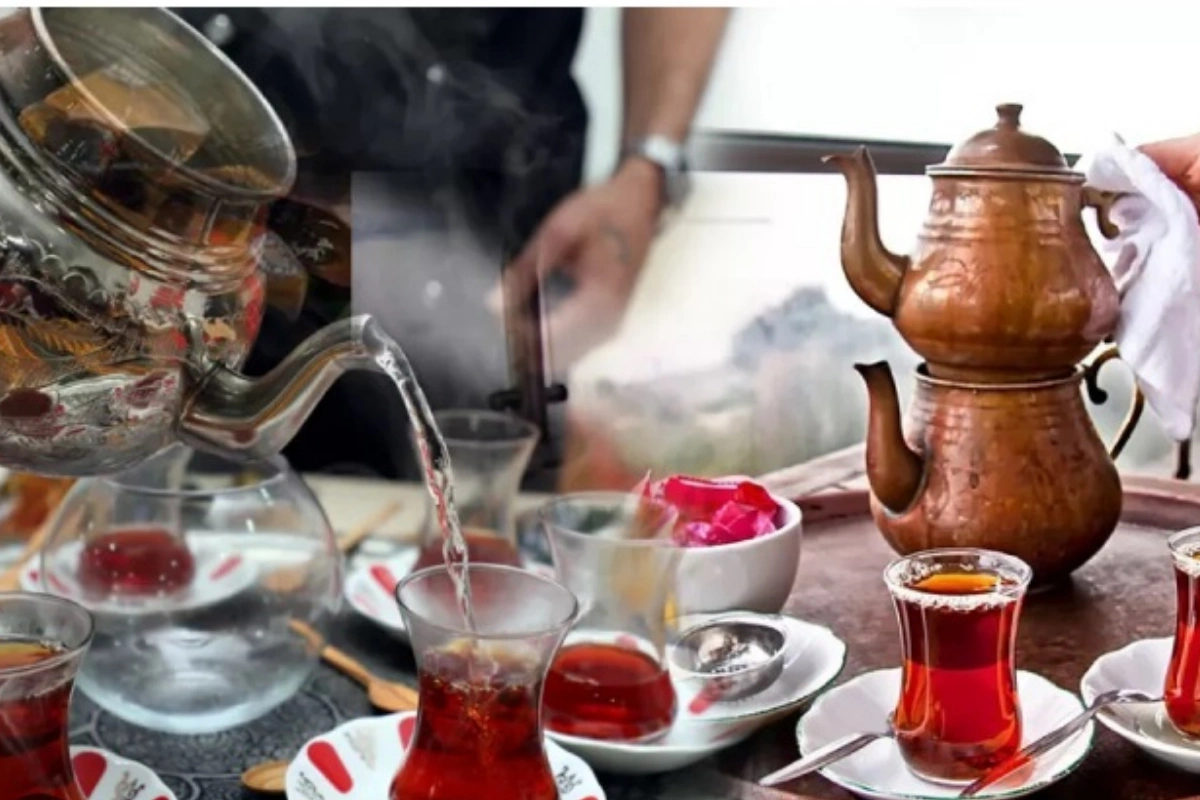
Azerbaijani cuisine attracts the attention of the world both for its taste and for its rich traditions formed over centuries. The roots of our cuisine are based on the gastronomic heritage of Turkic-speaking peoples, the influences of the Silk Road and the unique cultural layers of various regions of the Caucasus. That is why Azerbaijani cuisine is a symbol of living culture, collective memory and social unity. UNESCO Intangible Cultural Heritage List Our included culinary elements are the best proof of this.
In this article, Azerbaijan UNESCO We will talk about 5 culinary heritages protected by the World Food Programme and learn more about the role each of them plays in our culture.
1. Dolma. A heritage that unites around the table (2017)
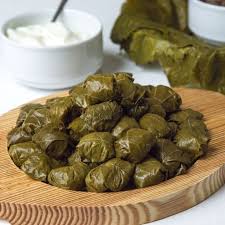
Dolma is the crown jewel of Azerbaijani cuisine, the most delicious symbol of family and hospitality culture. Made with leaves, peppers, eggplant, cabbage and other vegetables, dolma is also part of the rituals of unity. In Azerbaijan, making dolma is considered a kind of “collective work”. Since its preparation and especially its wrapping takes some time, family members come together, the leaves are cleaned, the filling is prepared, the small pieces are wrapped, and as a result, a large table is set.
The reason UNESCO has registered this dish is precisely because of its social bonding nature, cooking methods passed down from generation to generation, and its place in national identity. Dolma is an integral part of everyday meals, festive meals, and welcoming guests.
2. The culture of making and sharing lavash (2016)
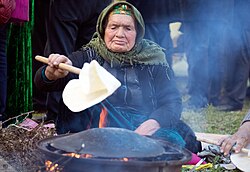
Lavash is part of the shared culinary heritage of the Turkic peoples throughout history and has been registered by UNESCO as a multinational cultural element jointly nominated by Azerbaijan, Turkey, Iran, Kazakhstan and Kyrgyzstan. Lavash preparation represents a process in which women in many families come together, collaborate and work together across generations to keep the tradition alive.
In Azerbaijan, lavash and bread products are considered sacred. Throwing it on the ground is considered a sin, there is always bread on the table, bread is a symbol of abundance. Kneading the dough, rolling it out into a log, sticking it in a tandoor, baking it on a sheet, and sharing the baked bread together makes this culture even more valuable. This process is a living manifestation of community life and family ties.
3. Azerbaijani tea culture. A symbol of hospitality (2022)
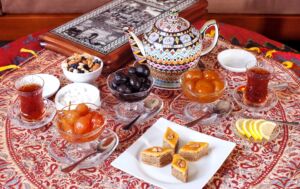
Azerbaijani tea is the key to social relations, the beginning of a conversation and the main indicator of hospitality. Tea served in a pear-shaped glass, accompanied by jam, is one of the most recognizable cultural rituals of our country. Each region in Azerbaijan has its own rules for brewing tea. Samovar tea, tea brewed in an iron kettle, filtered tea, mountain tea, etc. are brewed in different ways.
UNESCO has listed tea culture because it strengthens the social bonds of our people, promotes hospitality, and helps the culture survive across generations. Azerbaijani tea culture is also a unique symbol of the region and one of the main experiences that attracts tourists.
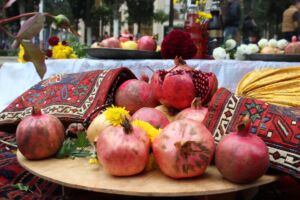
4. Pomegranate Culture. From Mythical Fruit to National Heritage (2020)
Pomegranate is a symbol of fertility, abundance and life for Azerbaijan. Since ancient times, special importance has been attached to the properties of pomegranate among the people. Currently, the pomegranate culture, protected by UNESCO, includes not only the cultivation of this fruit, but also its festivals, the use of pomegranate in dishes and its cultural symbolism.
The worldwide recognition of pomegranate wine, pomegranate salads, pomegranate-based dishes, and other dishes also increases the importance of this heritage. In particular, the Pomegranate Festival held in Goychay attracts great interest from both local and foreign tourists.
5. Azerbaijani tandoor craftsmanship and bread baking method (2024)
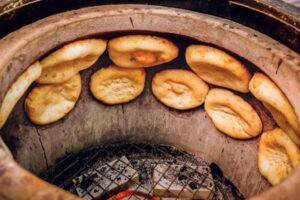
This nomination, registered by UNESCO in 2024, has brought one of the oldest and most unique areas of Azerbaijani cuisine – the tradition of baking bread in a tandoor – to the international level. The tandoor has special value both as a place where bread is baked and as a social space. In many villages, tandoor houses are considered the center of social life.
Baking tandoori bread is both an art and a ritual. The process of preparing the tandoor, heating it, carefully pressing the dough against the wall, and baking the bread is based on ancient knowledge that has been passed down through generations. The process is both physically demanding and reflects a model of community cooperation that is essential for the survival of the culture. The unique aroma and taste of tandoori bread also make this tradition an unforgettable experience for tourists.
Would you like to discover this rare heritage of Azerbaijani cuisine on the spot? Then join our tour guides. contact Hold on, let's prepare the most delicious and traditional gastronomic itinerary for you together!
YOU HAVEN'T READ ME YET: Travel Goals for 2026 | New Year's Planning Guide
